Overview
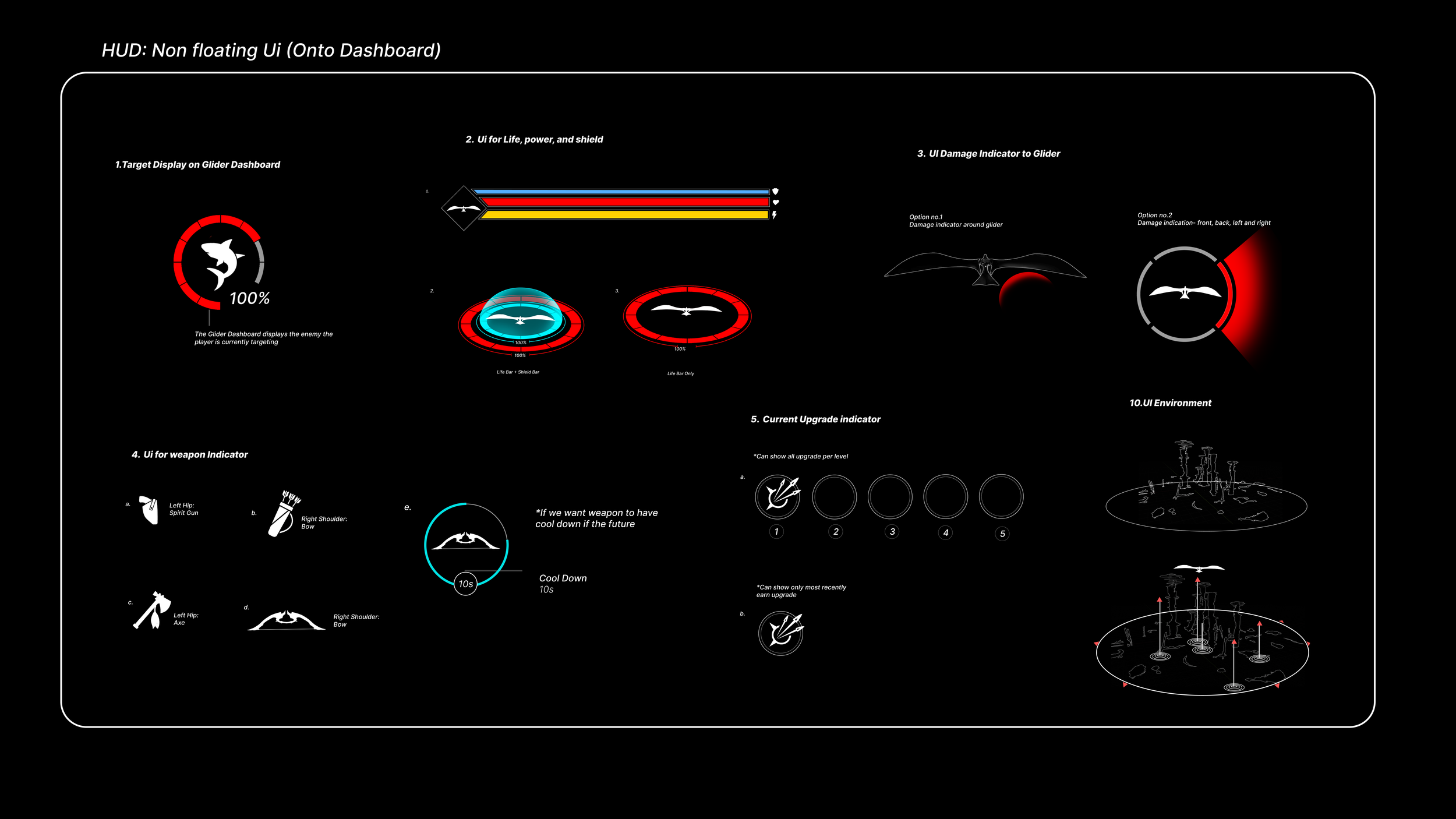
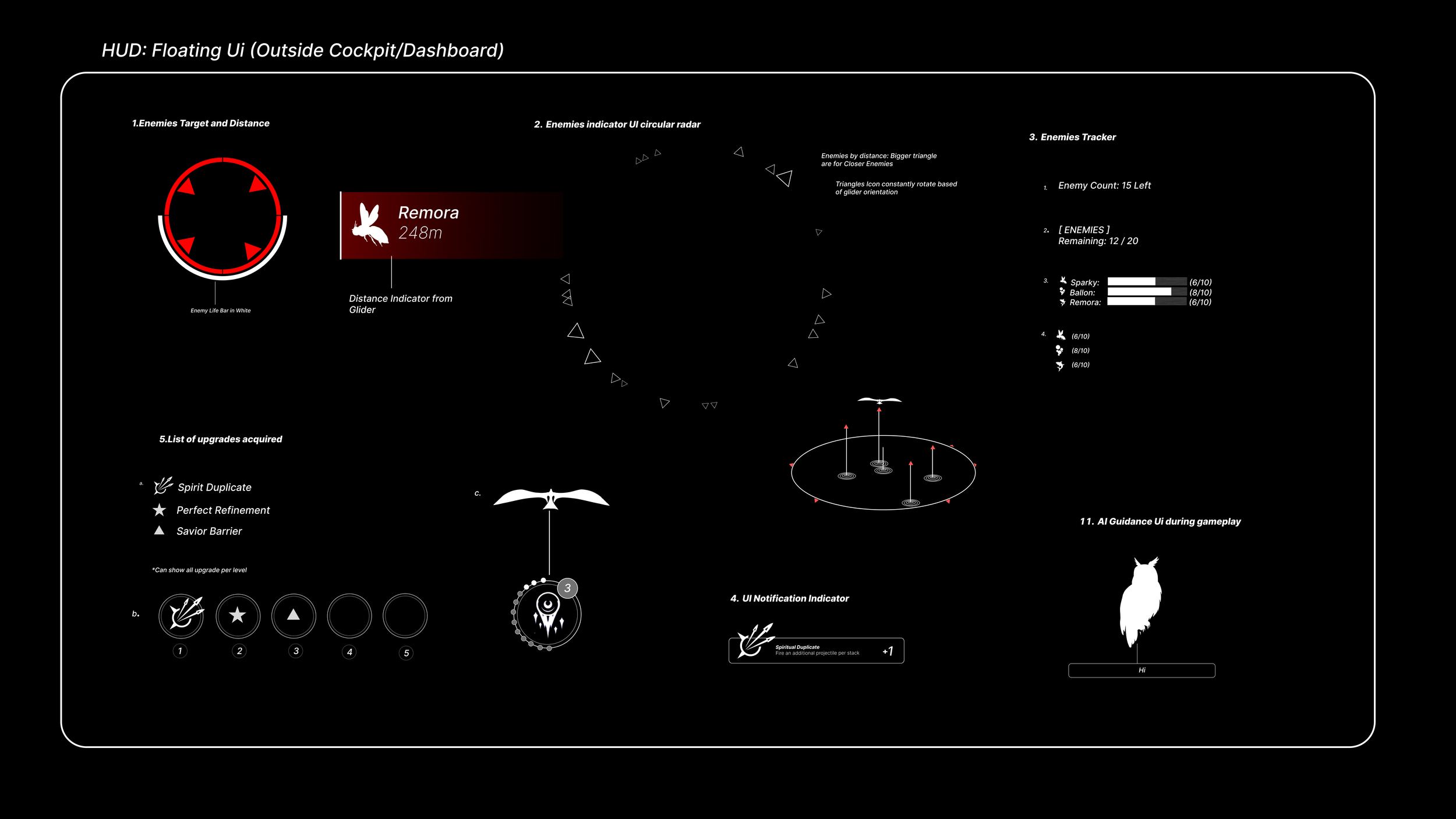
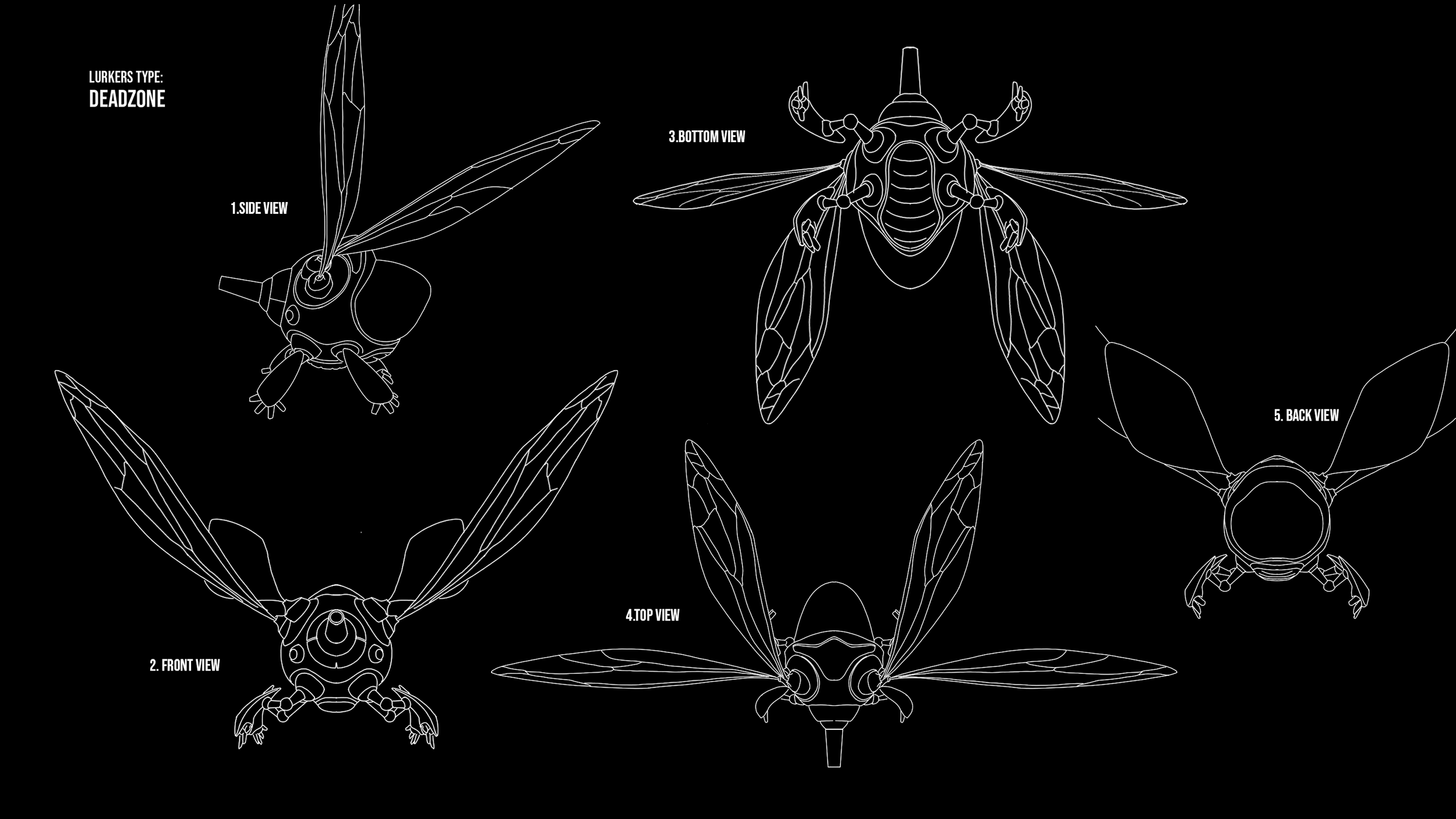
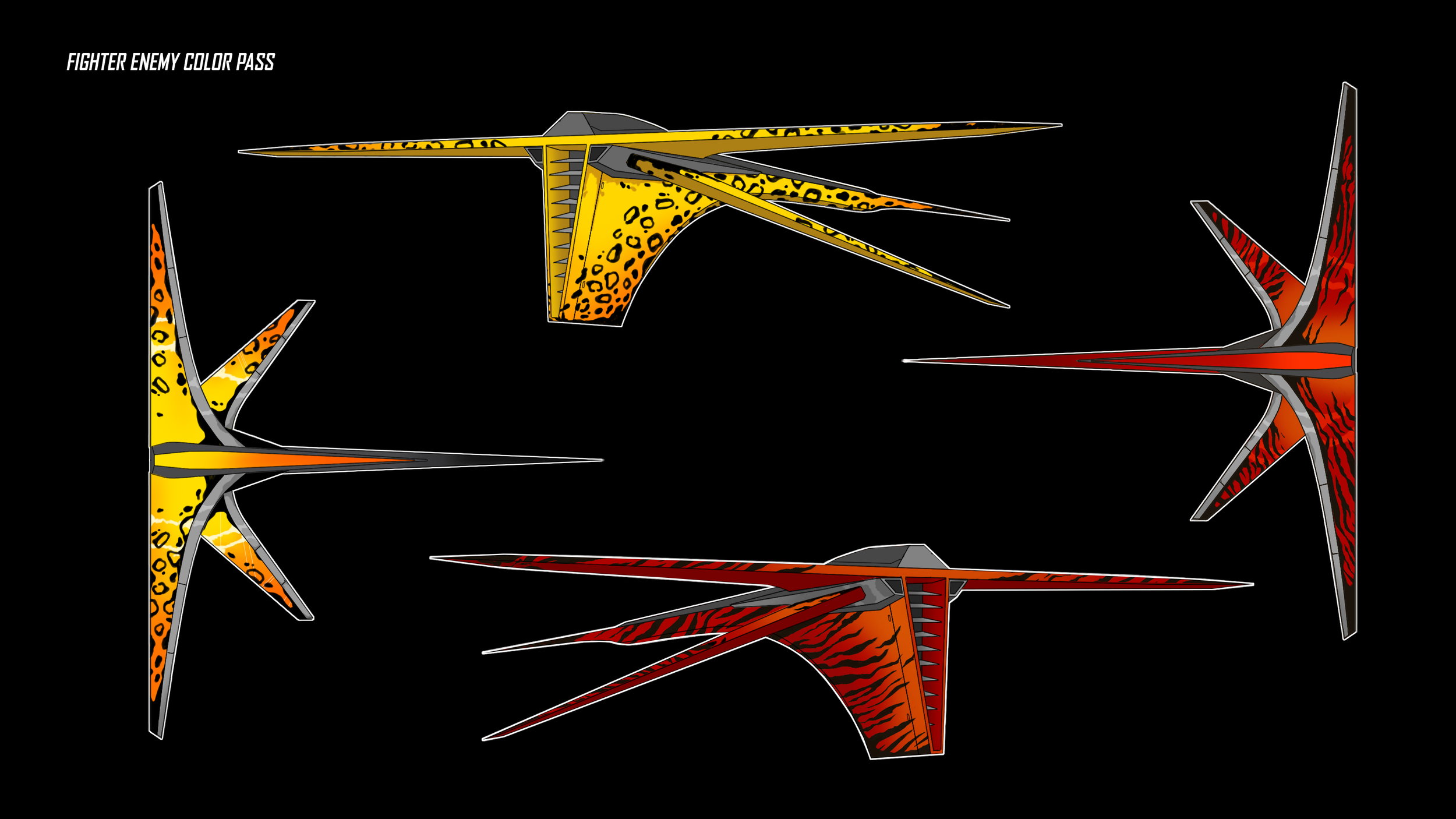
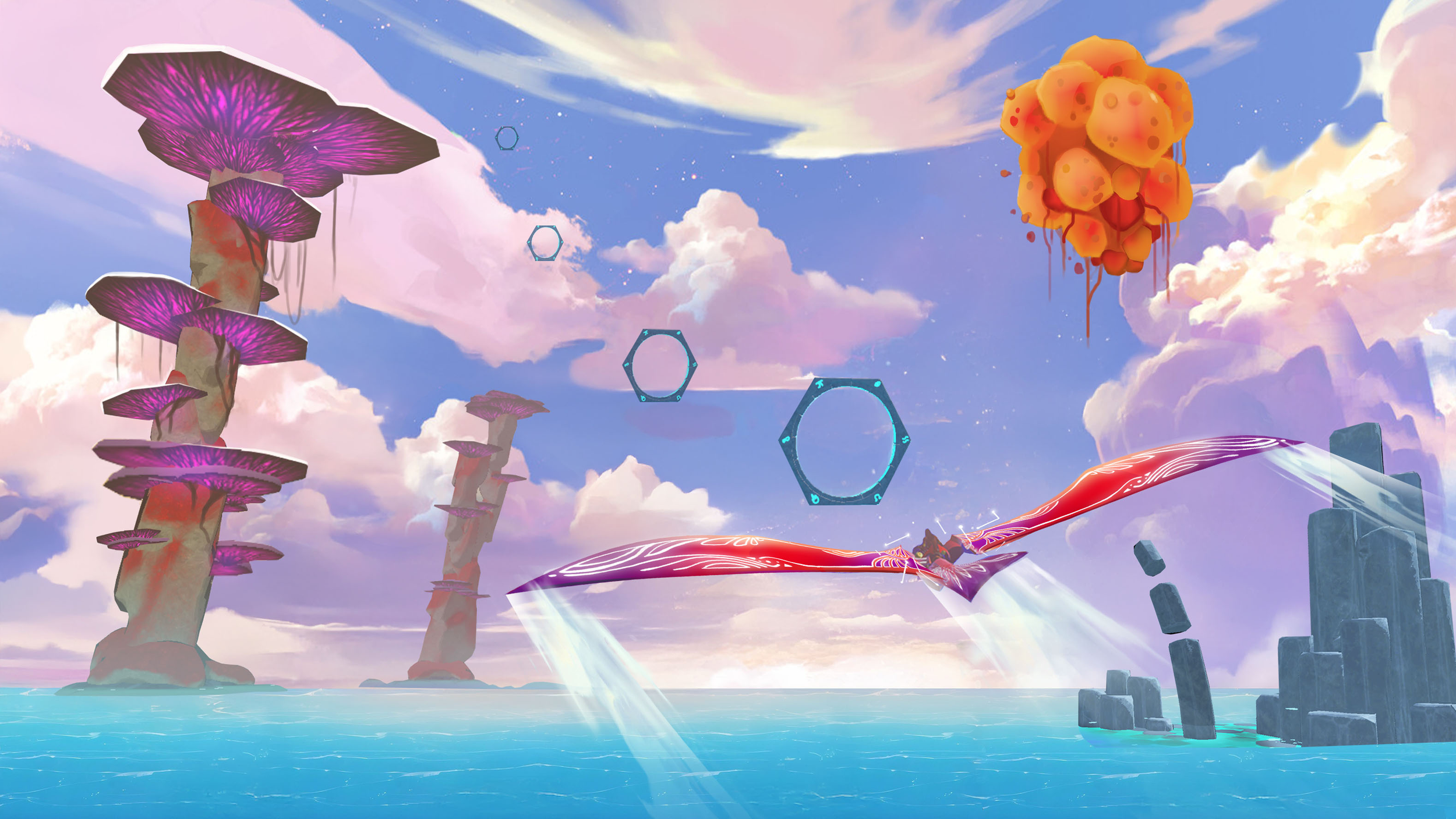
For Wings of Wanitu (Little Guy Games), I led the visual development and UI architecture for a stylized VR flight rogue-like. I focused on the synergy between world-building and interface design, creating a functional cockpit UI that mirrored the visual DNA of the hero’s craft and the aggressive aerial fauna I concepted.
My workflow bridged the gap between 2D UI systems and high-fidelity 3D sculpting, ensuring a seamless aesthetic across the VR environment. From establishing the initial concept art and creature designs to delivering engine-ready UI assets and marketing illustrations, I maintained a rigorous visual standard across the entire production pipeline.
Project Details
Studio: Little Guy Games
Role: Lead Concept Artist / Lead UI Designer
Format: VR Flight Simulation / Rogue-like
Theme: Stylized Aerial Combat / Sci-Fi
Technical Specs
Tools: Adobe Photoshop and Figma
Platforms: Meta Quest, SteamVR
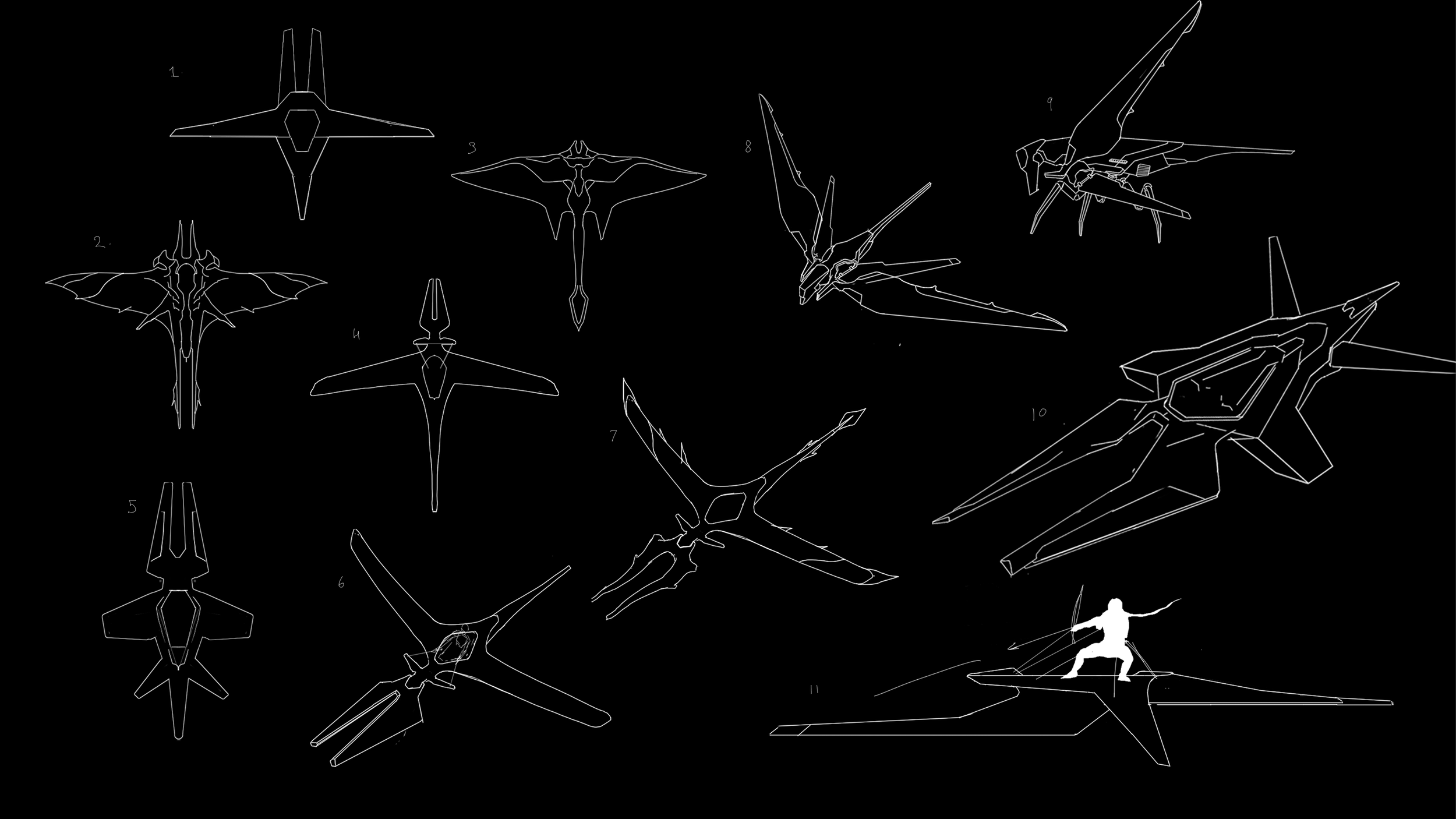
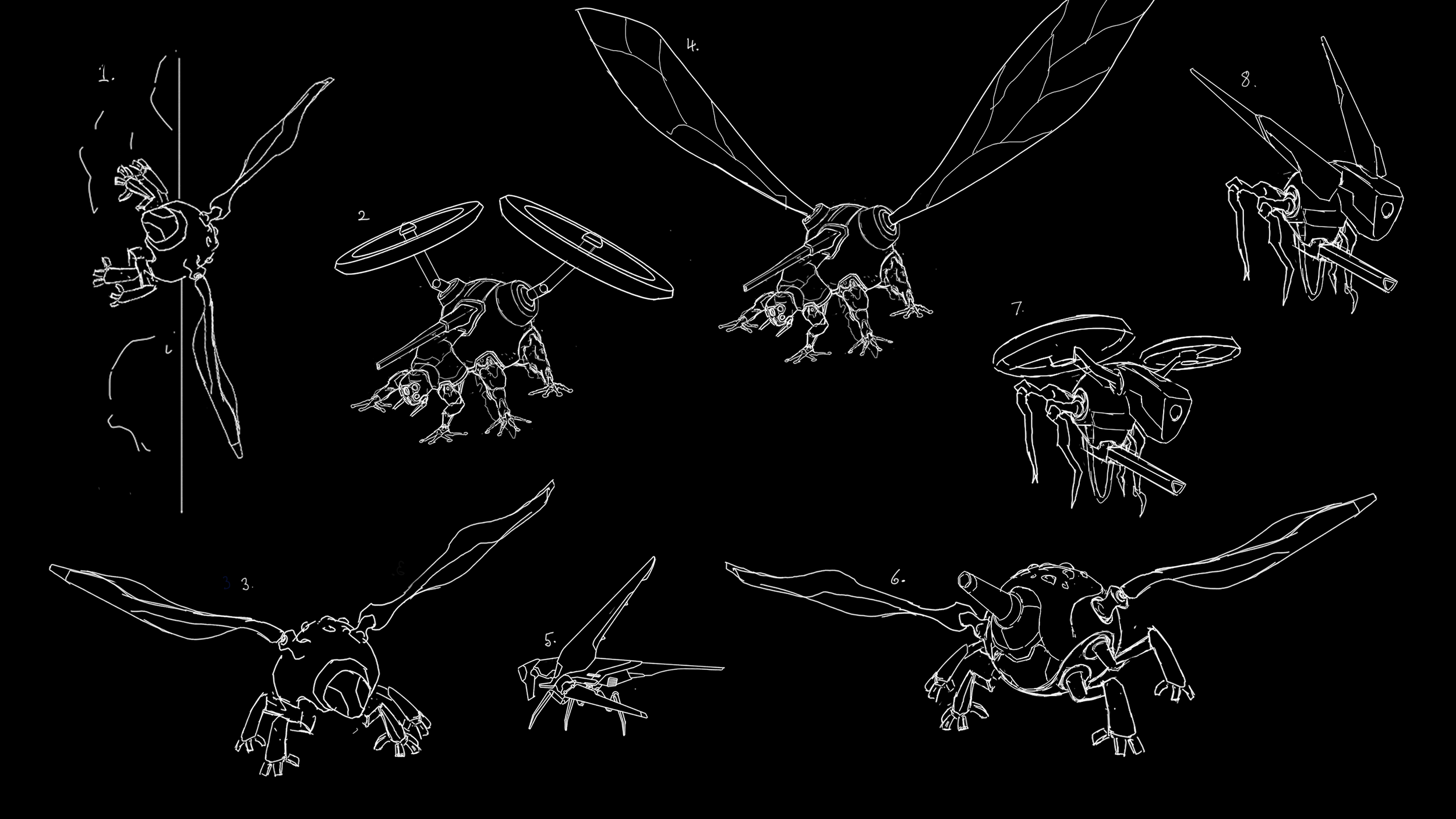
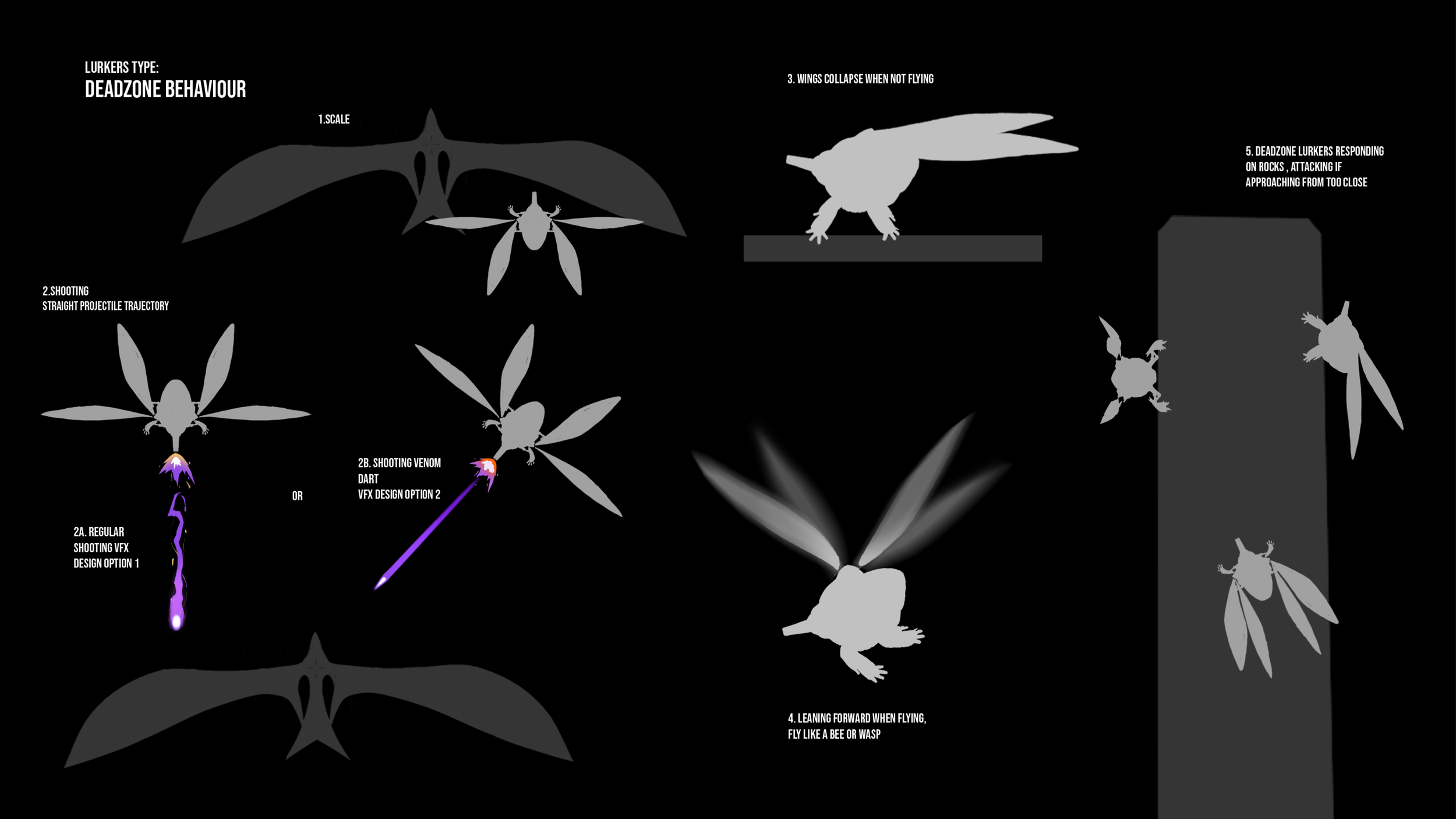
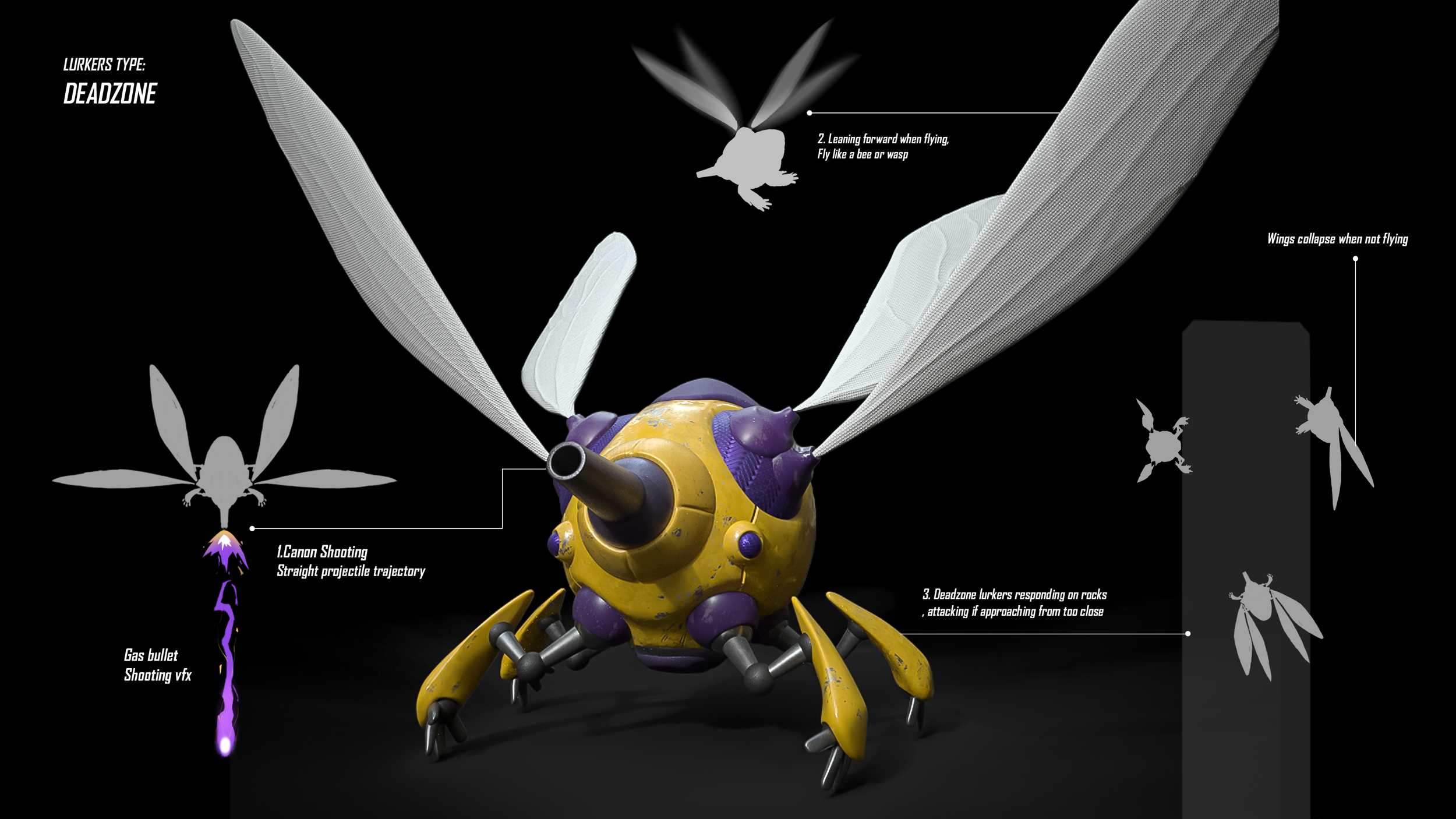
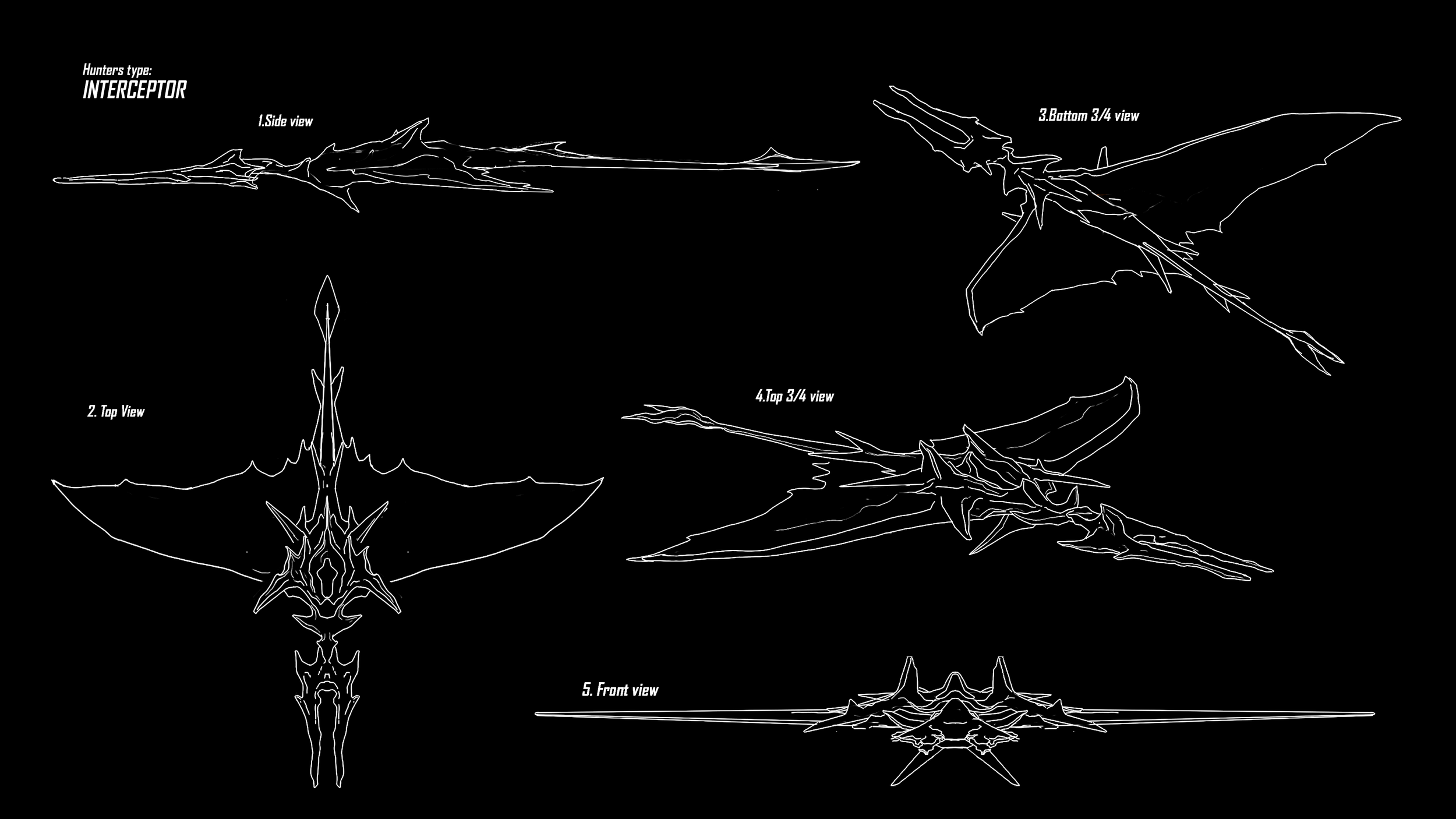
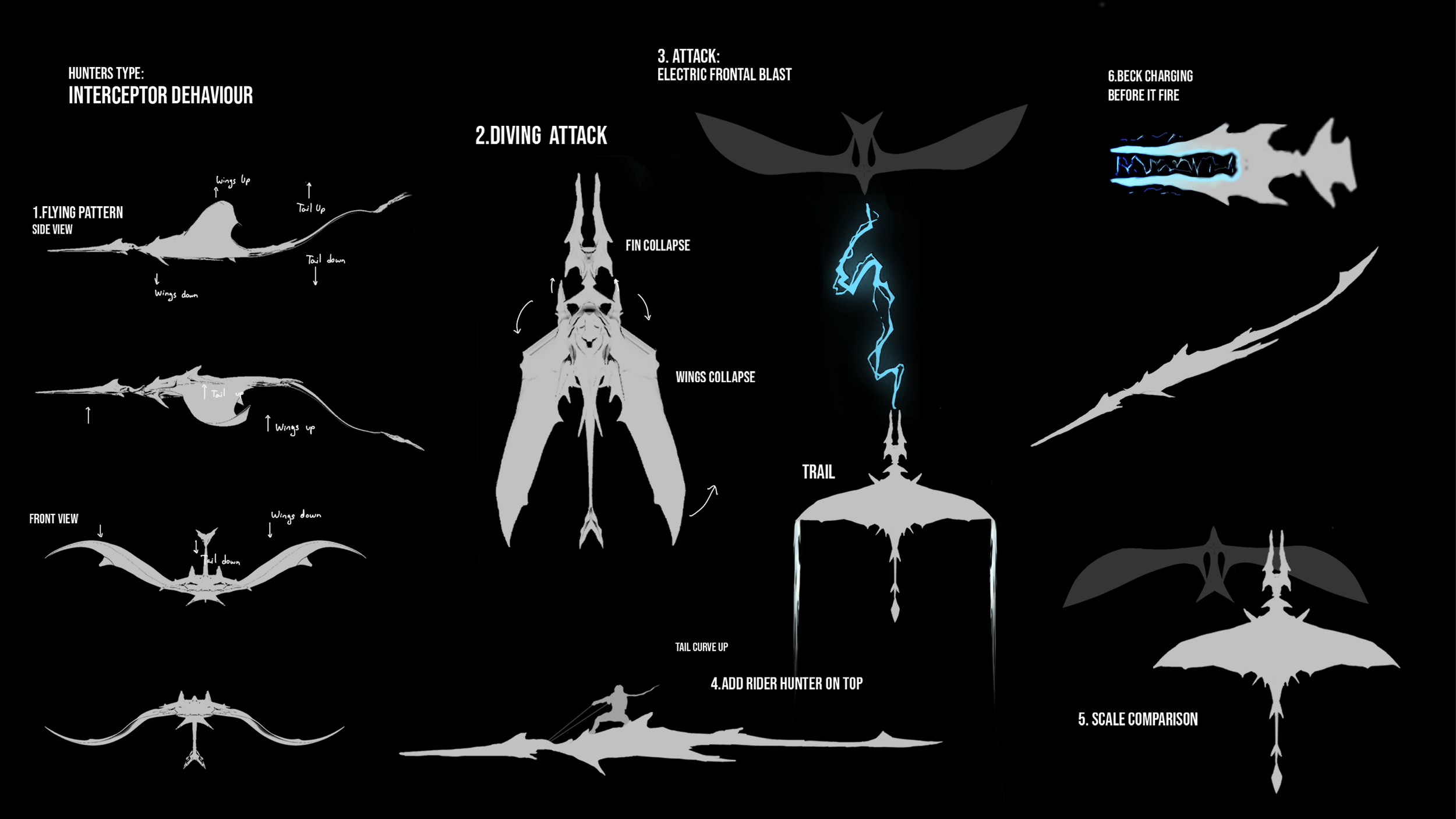
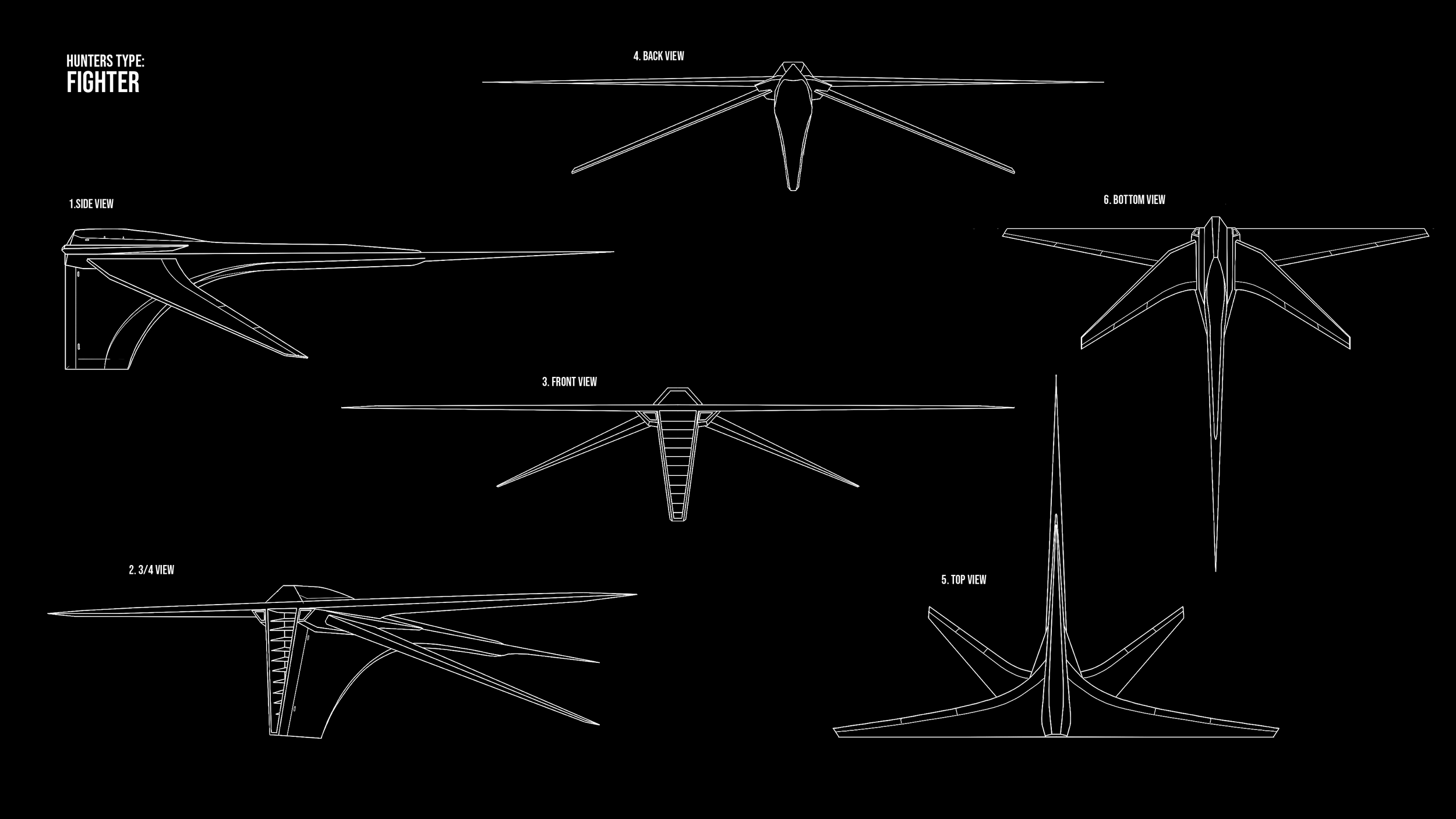
Creature Design: Created diverse aerial fauna with distinct shooting, flying, and attacking behaviors.
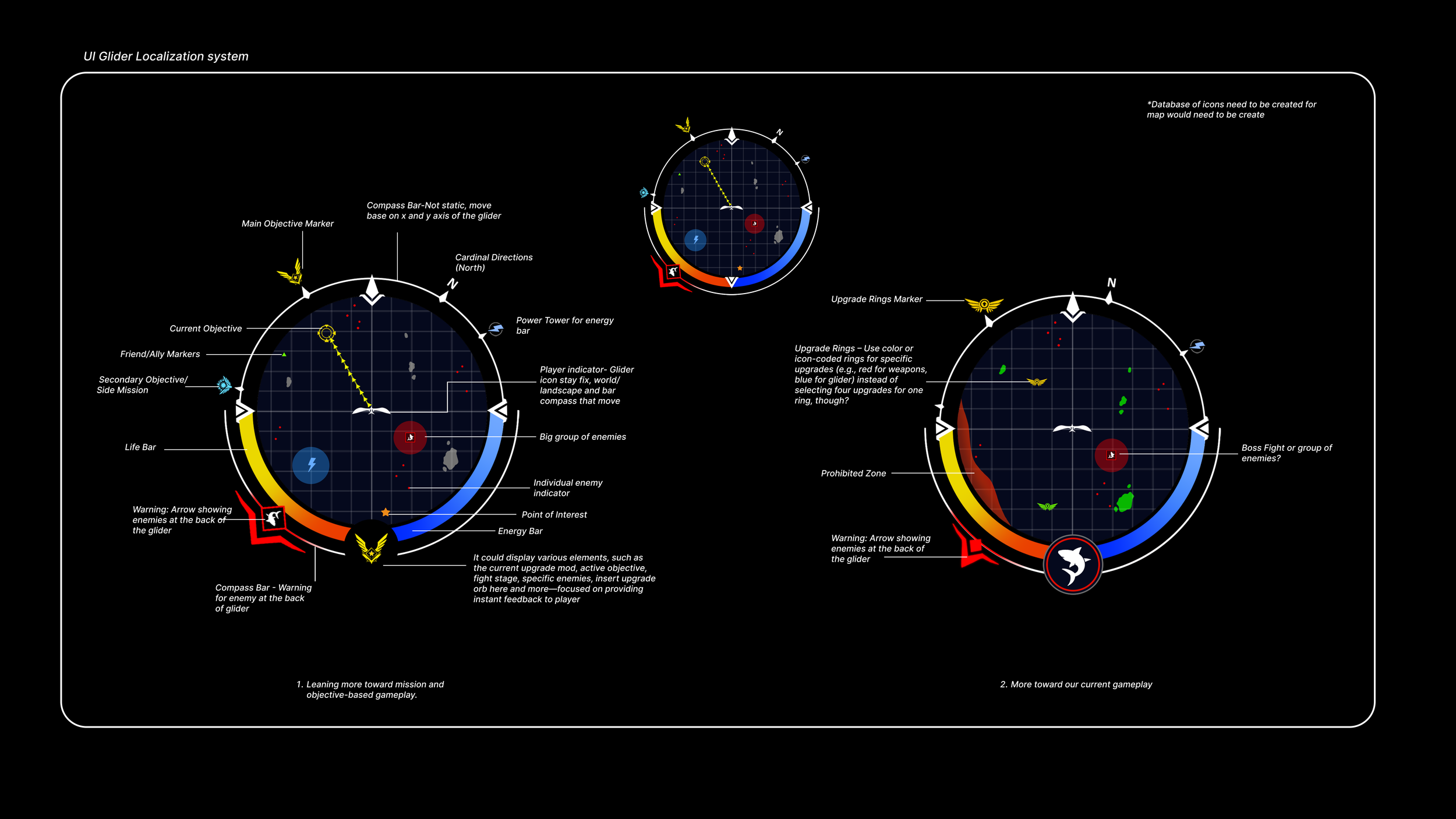
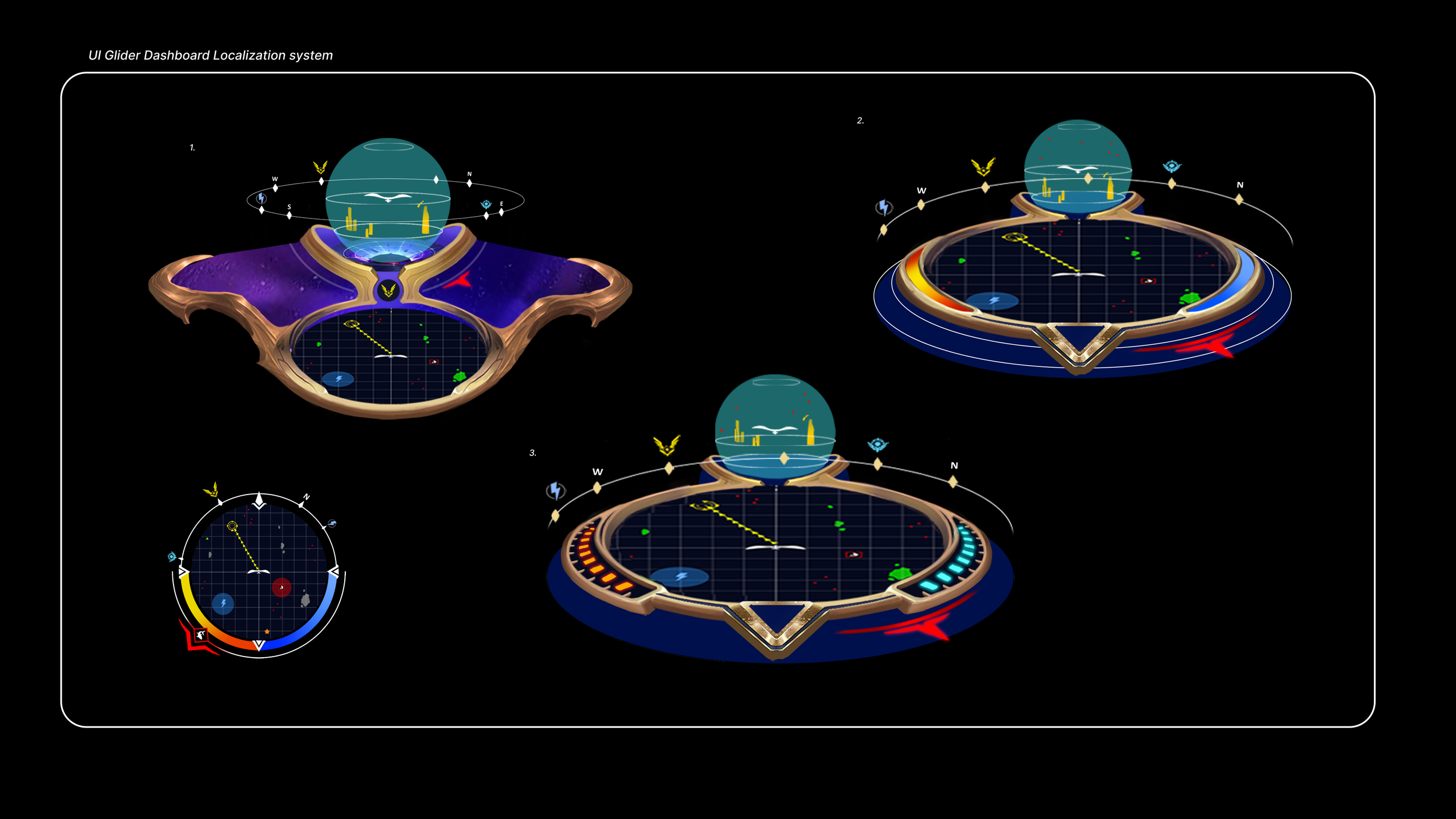
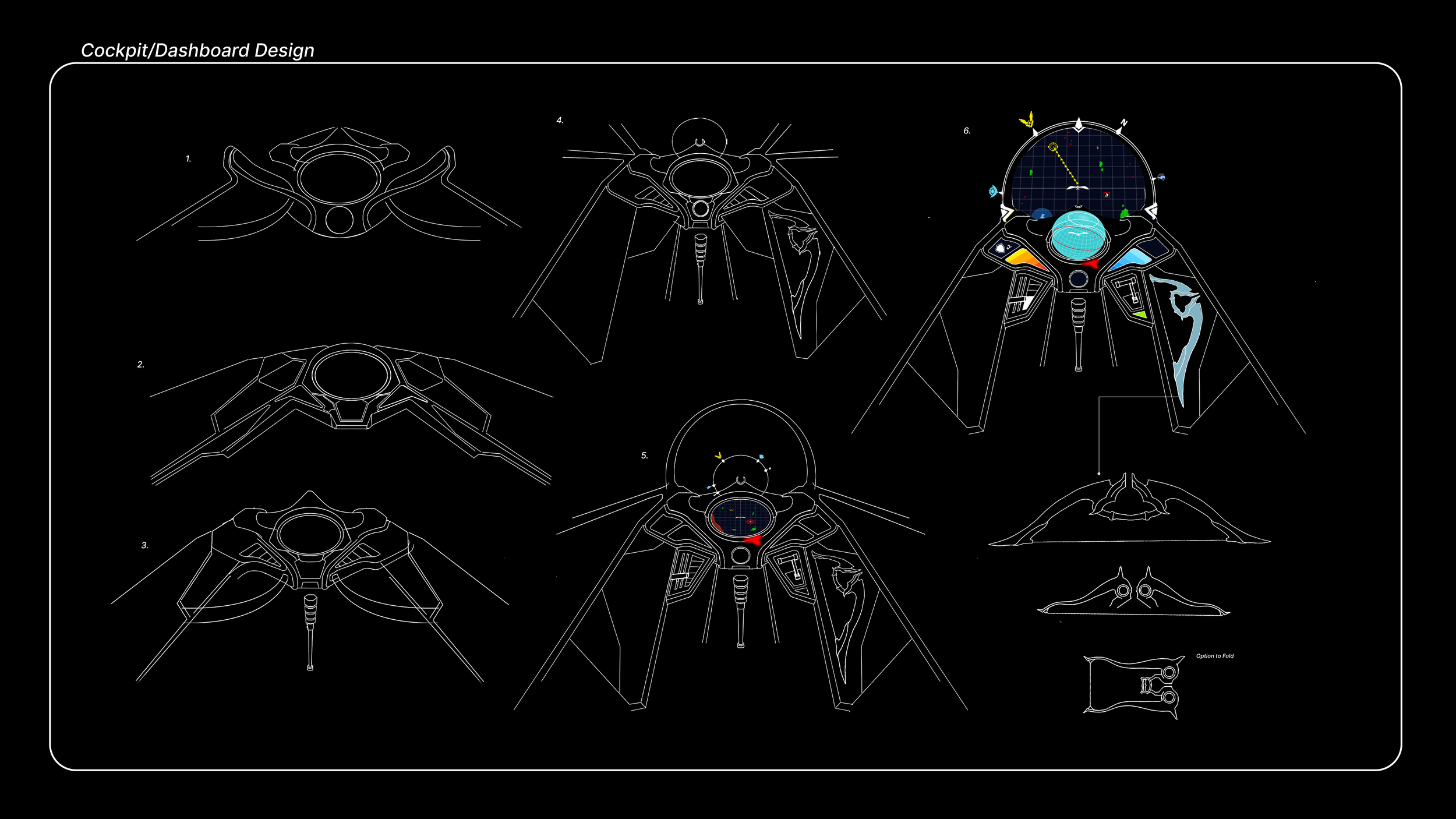
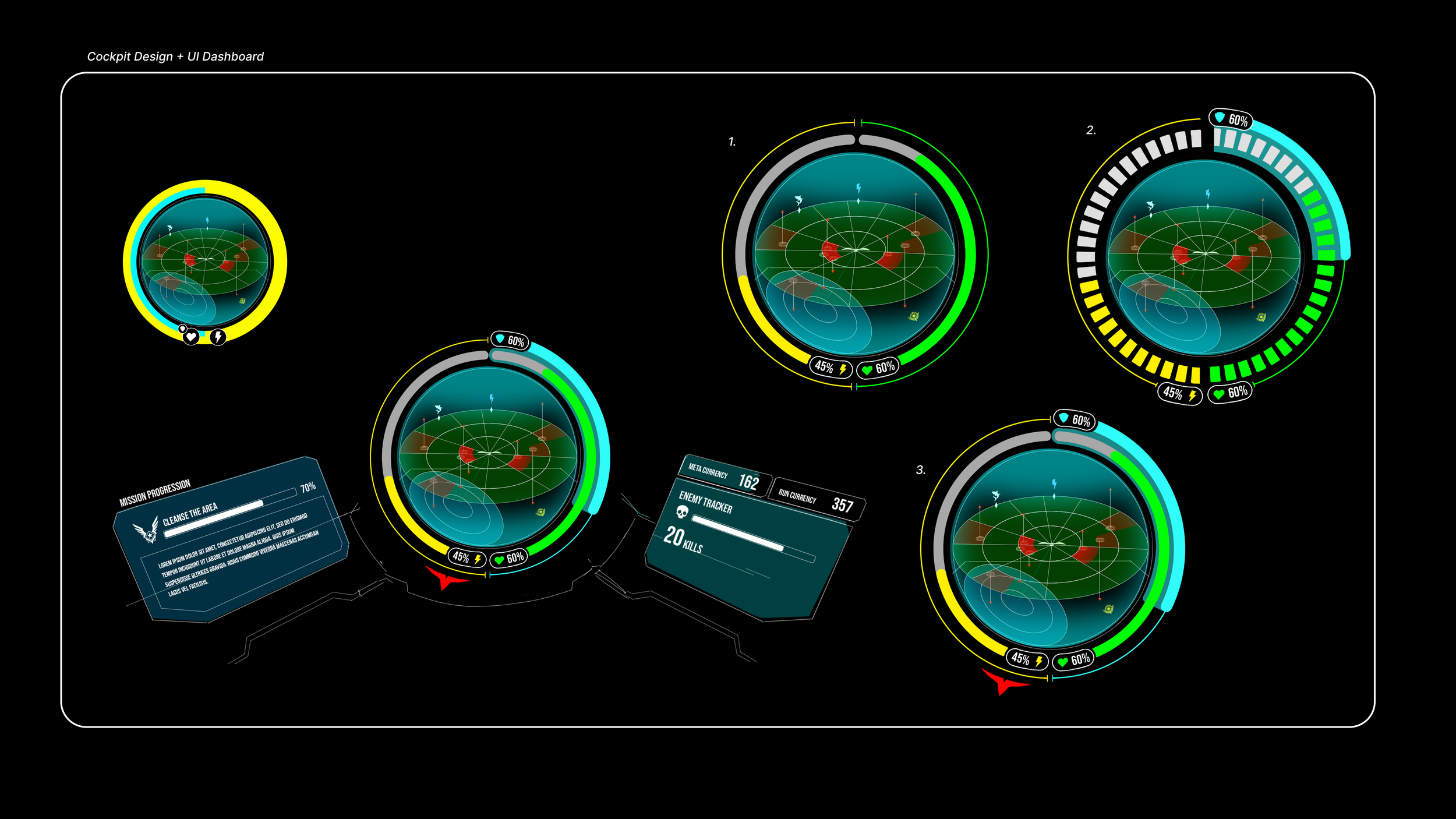
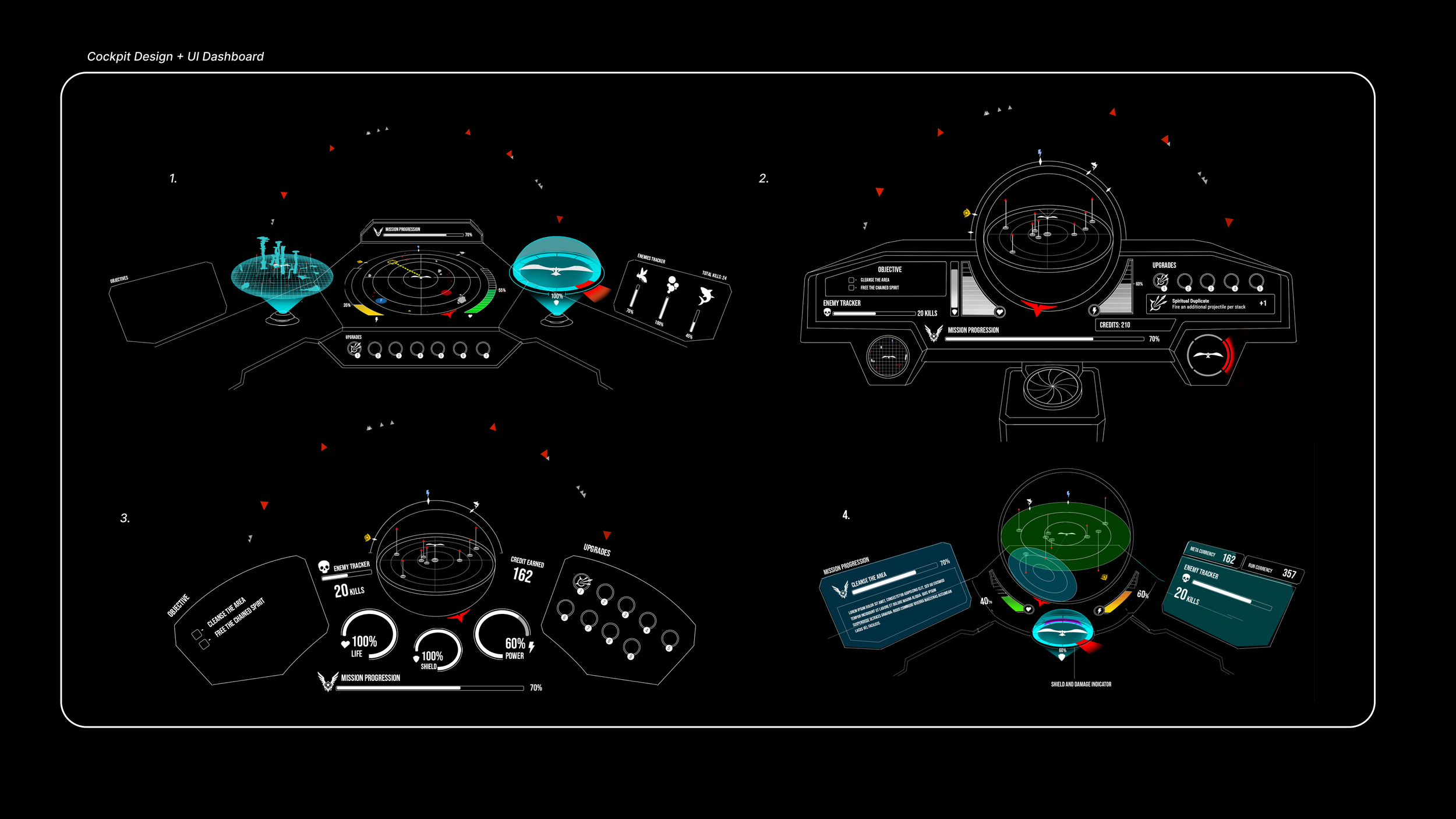
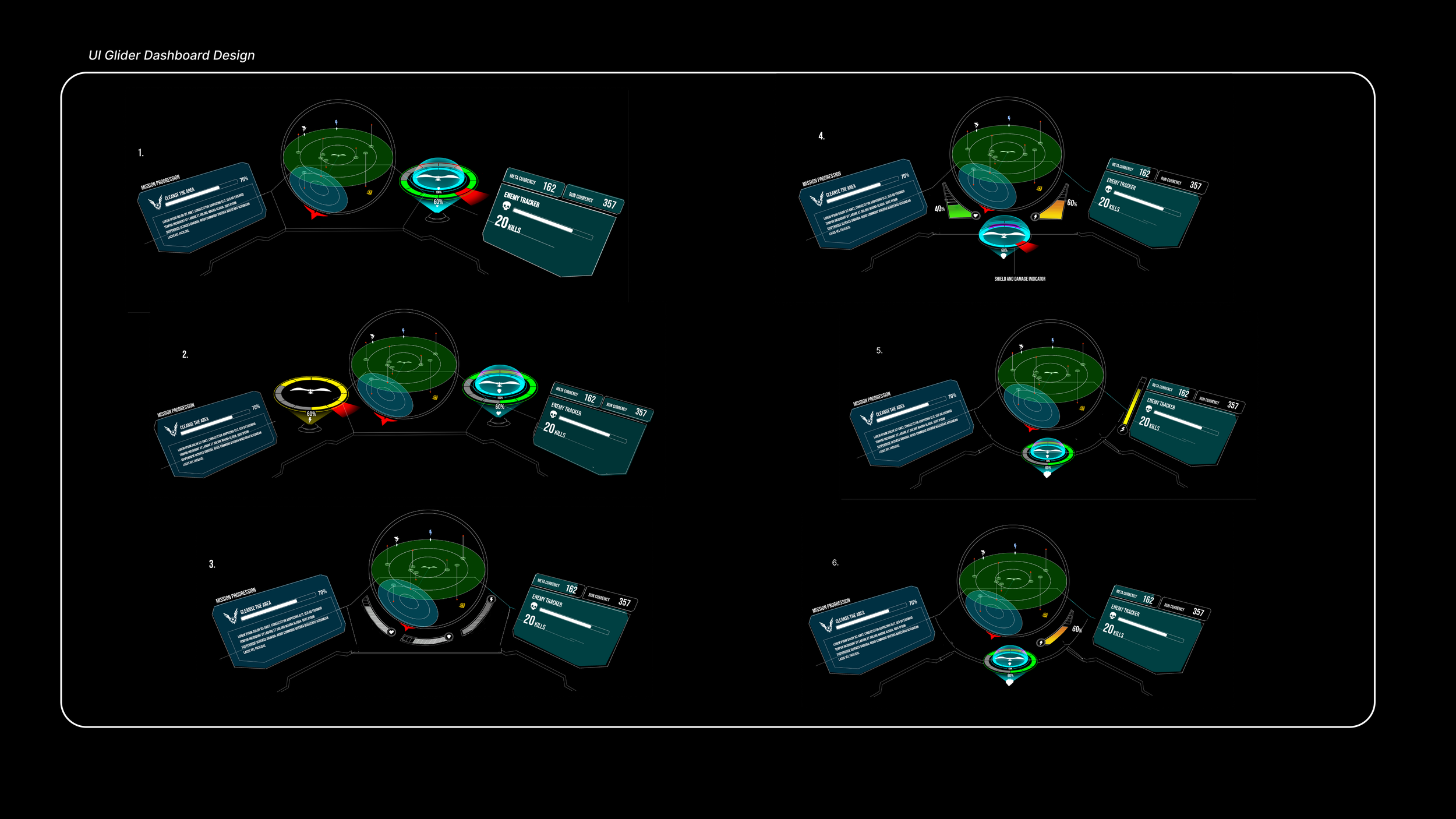
UI/UX Design: Designed the hero glider cockpit and spherical radar systems for 360-degree threat tracking.
Marketing: Illustrated high-fidelity pitch decks to communicate the game’s vision for funding and promotion..
The Concept
Wings of Wanitu emphasizes the physical sensation of flight within a world of floating islands. The project centers on mastering flight physics while navigating encounters with organic and automated threats. Every design choice—from the pulsing color palettes of enemy fighters to the haptic-friendly cockpit interface—was crafted to enhance immersion and provide clear feedback during high-speed aerial combat..
The Execution
The pipeline focused on rapid iteration of flight silhouettes to ensure enemy types and their specific attack behaviors were instantly recognizable. I developed the hero glider's dashboard UI, focusing on depth and color-coding to help players navigate threats in a full 3D space. By balancing stylized aesthetics with high-contrast clarity, I ensured the visual identity remained optimized for the unique viewing requirements of VR headsets.